
Antibody–drug conjugates (ADCs) are increasingly moving beyond a predominantly "target-driven" paradigm toward greater emphasis on payload and linker design. As the ADC pipeline continues to expand, competition around popular targets such as HER2 and TROP2 has become increasingly concentrated. Target selection alone may therefore be insufficient to create a differentiated advantage. The mechanism of action, stability, and developability of the payload are becoming key factors in the design of next-generation ADCs.
This article focuses on ADC payload chemistry, with emphasis on the rise of TOP1i-class payloads, how payload–linker design affects the therapeutic window and developability, and how novel payloads expand the design boundaries of ADCs.
Beyond Target Selection: Why Payload Chemistry Matters
Target Crowding: The Structural Challenge Behind ADC Prosperity
The ADC field is experiencing marked target crowding. According to a systematic review published in Physiological Reviews in 2026, more than 430 ADC molecules have entered clinical studies at various stages worldwide, and the FDA has approved 14 ADC drugs to date. However, behind this prosperity lies a structural challenge: target selection is rapidly converging.
An analysis of AACR 2026 submissions provides an illustrative snapshot Among ADC-related abstracts, HER2 led with 64, followed by TROP2 (33), EGFR (29), Nectin-4 (17), and B7-H3 (15). More strikingly, a systematic analysis of 431 ADC clinical trials from 2002–2022 found that 83.26% of trials exhibited target overlap. In breast cancer alone, 122 of 149 ADC clinical studies targeted HER2. This pattern is also reflected in global ADC clinical trial statistics.
"Selecting a target" may therefore no longer provide sufficient differentiation on its own. When dozens of molecules pursue the same antigen, clinical success depends not only on whether a relevant target has been identified, but also on how the payload is delivered, how it is released at the intended site, and how efficacy is balanced against toxicity.
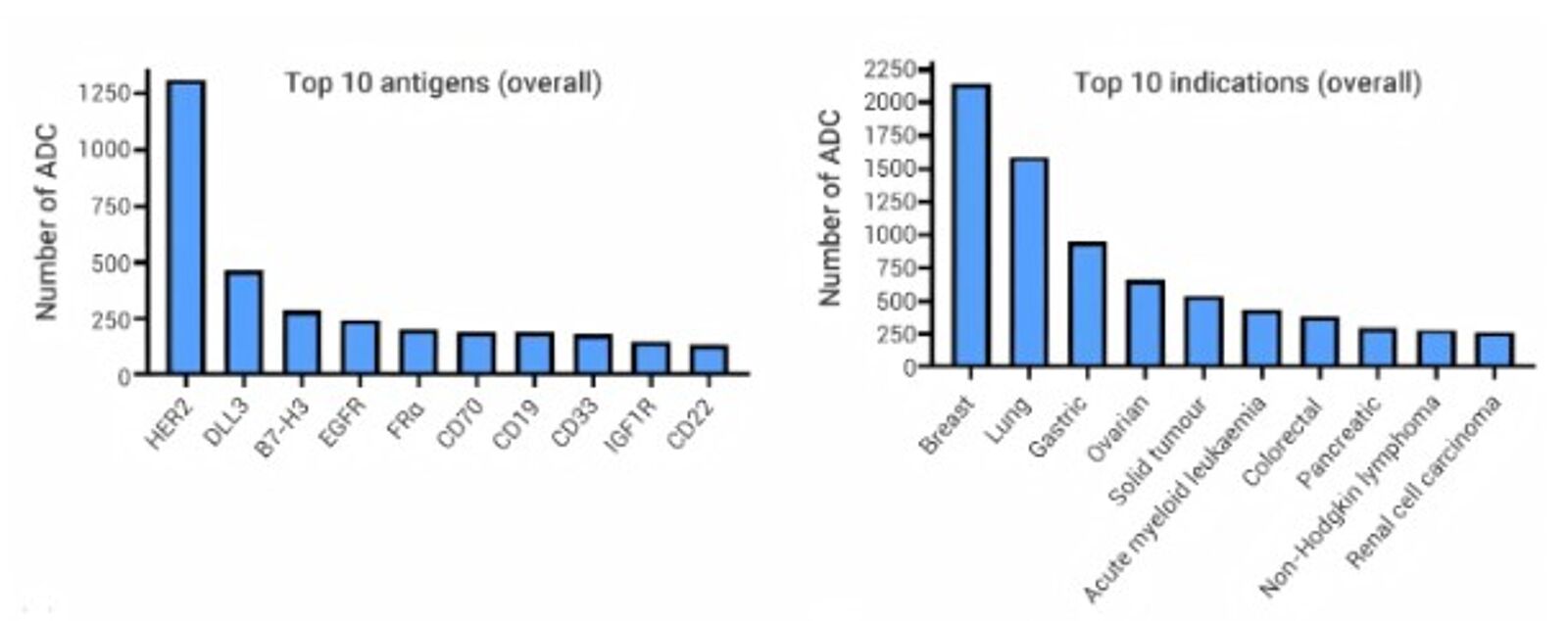
Table 1. Selected Approved ADC products
Target | Generic Name |
|---|---|
| HER2 | Trastuzumab deruxtecan |
| Trastuzumab emtansine (solution) | |
| Disitamab Vedotin | |
| EGFR | Cetuximab Sarotalocan |
| EGFR×HER3 | Izalontamab brengitecan (BL-B01D1) |
| FRα | Mirvetuximab soravtansine (solution) |
| CD30 | Brentuximab vedotin (solution) |
| CD22 | Inotuzumab ozogamicin |
| Inotuzumab ozogamicin (solution) | |
| CD19 | Loncastuximab tesirine |
| CD33 | Gemtuzumab ozogamicin |
| Gemtuzumab ozogamicin (solution) | |
| TROP2 | Sacituzumab govitecan |
| Datopotamab deruxtecan | |
| Nectin-4 | Enfortumab vedotin-ejfv (solution) |
| c-Met | Telisotuzumab vedotin |
| TF | Tisotumab vedotin |
| CD79b | Polatuzumab vedotin |
*Note: MCE can provide products for research use only.
From "Toxin Delivery" to Systems-Level Engineering: Payload as a Key Design Variable
Recent reviews of ADC design have emphasized a central point: payload potency is no longer the primary limiting factor in ADC efficacy. Clinical outcomes are increasingly governed by systems-level interactions among antibody distribution in tumor tissue, linker kinetics, payload diffusion, tumor heterogeneity, and host toxicity mechanisms. These factors interact in nonlinear ways, meaning that isolated optimization of a single component does not necessarily produce a proportional clinical benefit.
Taking breast cancer as an example, the evolution of ADC design can be clearly seen. First-generation ADC T-DM1 uses a non-cleavable linker (SMCC) conjugated to the microtubule inhibitor DM1, with a DAR of 3.5. Its released metabolite (Lys-SMCC-DM1) carries a positive charge and exhibits extremely poor membrane permeability; the cytotoxic effect is therefore largely confined to HER2-overexpressing cells that successfully internalize the ADC, with no bystander effect. This explains why T-DM1 is nearly ineffective in HER2-low tumors.
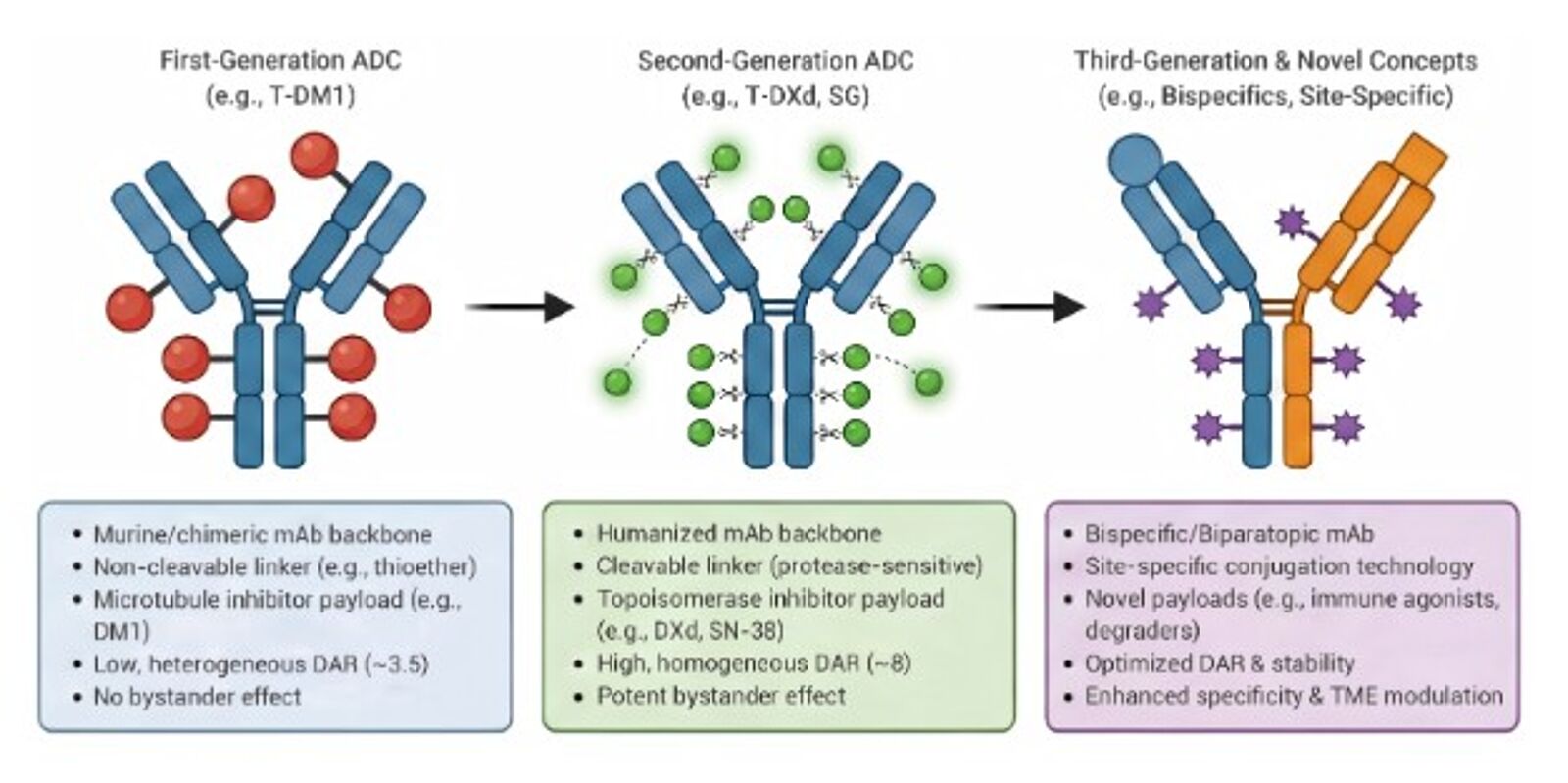
Second-generation ADC T-DXd employs a cleavable GGFG tetrapeptide linker conjugated to the topoisomerase I inhibitor DXd, with an average DAR of approximately 8. DXd exhibits good membrane permeability; after linker cleavage by lysosomal proteases, it can diffuse out of the target cell into the tumor microenvironment, killing neighboring HER2-low or even HER2-negative cells — known as the bystander effect.
Clinical data validate the profound impact of this design difference. In the DESTINY-Breast03 trial, T-DXd achieved a median PFS of 29.0 months in patients with second-line HER2-positive metastatic breast cancer, compared with 7.2 months for T-DM1, and also produced a higher objective response rate. DESTINY-Breast04 further extended the benefit of T-DXd to patients with HER2-low breast cancer, creating an entirely new therapeutic category.
More recently, related linker–payload combinations have also been incorporated into bispecific antibody designs. The choice of linker–payload combination affects not only efficacy but also the ADC therapeutic window. Well-designed cleavable linkers remain relatively stable in plasma while releasing payload efficiently in lysosomes, and membrane-permeable payloads can support a bystander effect. Non-cleavable linkers, by contrast, depend on complete antibody degradation for payload release, and the resulting metabolites are often charged and poorly membrane-permeable. However, cleavable linkers also present systemic stability challenges — early hydrazone linkers released payload prematurely in plasma, leading to the temporary withdrawal of Mylotarg.
Payload Chemistry: The Ultimate Differentiation Weapon Against Homogenization
A core consensus in recent ADC conferences is that payload is no longer a secondary consideration; it is a critical design variable within the complete ADC system. Traditional payloads can drive systemic toxicity and thereby limit the therapeutic window.
In this context, differentiation through payload chemistry is already underway. DXd-class topoisomerase inhibitors, which combine moderate cytotoxic potency, compatibility with relatively high DAR, and bystander activity, have become increasingly prominent alongside microtubule inhibitors in the ADC pipeline. More forward-looking exploration — NMT inhibitors, immunostimulatory payloads, and PROTAC payloads — signals a paradigm shift from cytotoxic delivery toward multi-mechanism tumor microenvironment modulation.
The Rise of TOP1i Payloads in ADC Design
The TOP1i Family Lineage: From Camptothecin to DXd
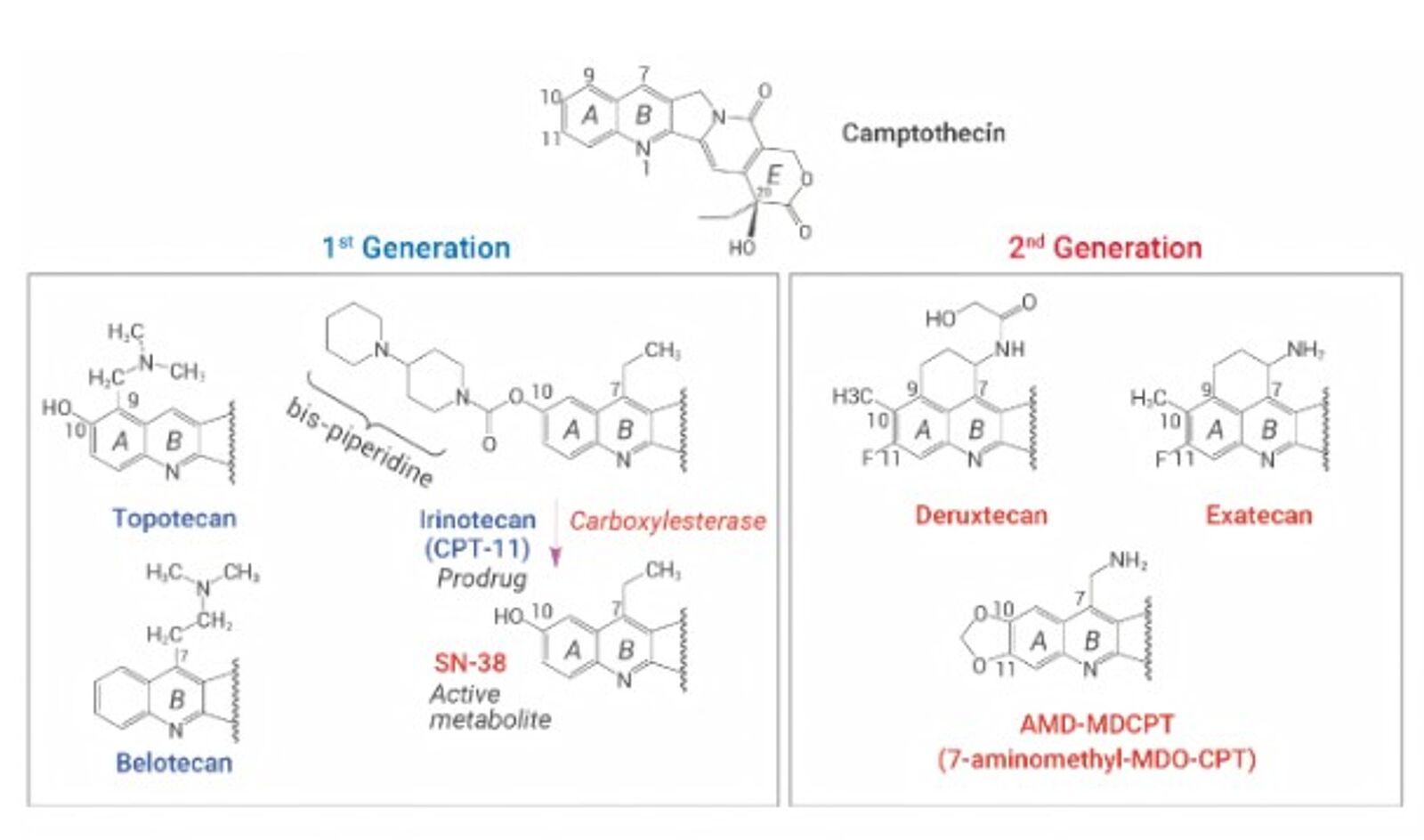
In the ADC field, TOP1i payloads have evolved through two generations:
First generation — SN-38. SN-38 is the active metabolite of irinotecan, with potency approximately 1,000-fold higher than irinotecan itself. As the payload of Trodelvy (sacituzumab govitecan), SN-38 has been approved in metastatic triple-negative breast cancer (TNBC). However, SN-38 has more limited bystander penetration in spheroid models than that exatecan and DXd.
Second generation — DXd (deruxtecan). DXd is a derivative of exatecan, with potency approximately 10-fold higher than SN-38. As the payload of T-DXd (Enhertu), DXd exhibits good membrane permeability, a short half-life, and a clear bystander effect. T-DXd (DAR ≈ 8) has been approved in HER2-positive breast cancer, HER2-low breast cancer, gastric cancer, and non-small cell lung cancer.
Next-generation derivatives such as adizutecan and SHR-9265 are being explored through structural modifications intended to optimize membrane permeability and cytotoxicity. Hengrui's SHR-A1811 has already entered Phase III clinical trials.
Moderate Toxicity: A Prerequisite for High-DAR Compatibility
This characteristic has been fully validated in preclinical data. In non-human primates (NHPs), the highest non-severely toxic dose (HNSTD) for DXd-class ADCs can reach 30 mg/kg, whereas the NHP HNSTD for MMAE-class ADCs is only 3 mg/kg — a 10-fold wider safety window.
High DAR has become a common design feature of TOP1i ADCs: T-DXd has an average DAR of approximately 7.8, whereas Datroway (Dato-DXd, anti-TROP2) has a DAR of approximately 4. Other exatecan-derived ADCs are being developed with DAR values ranging from approximately 4 to 8, depending on the construct.

Bystander Effect: The "Invisible Wings" of TOP1i
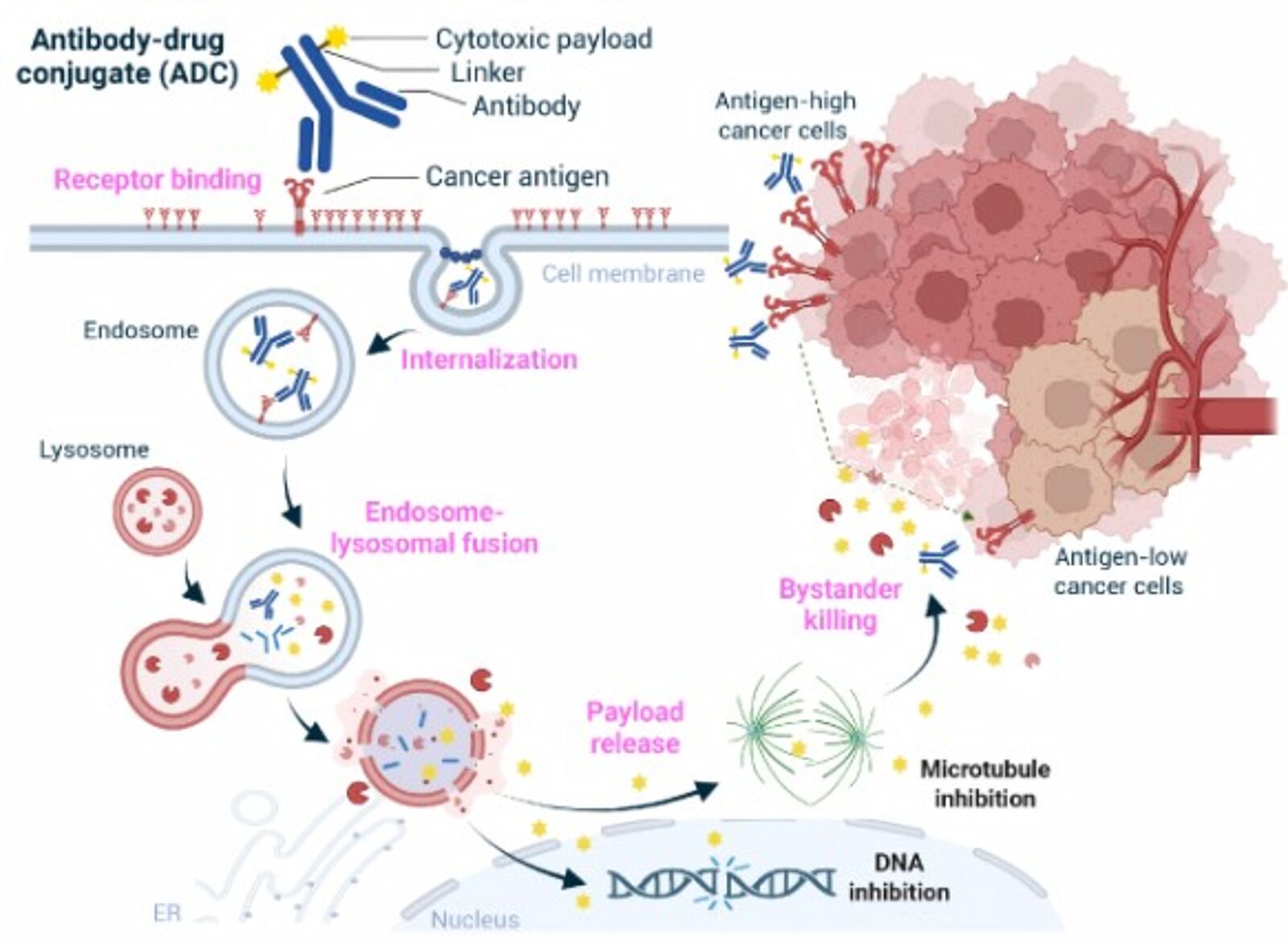
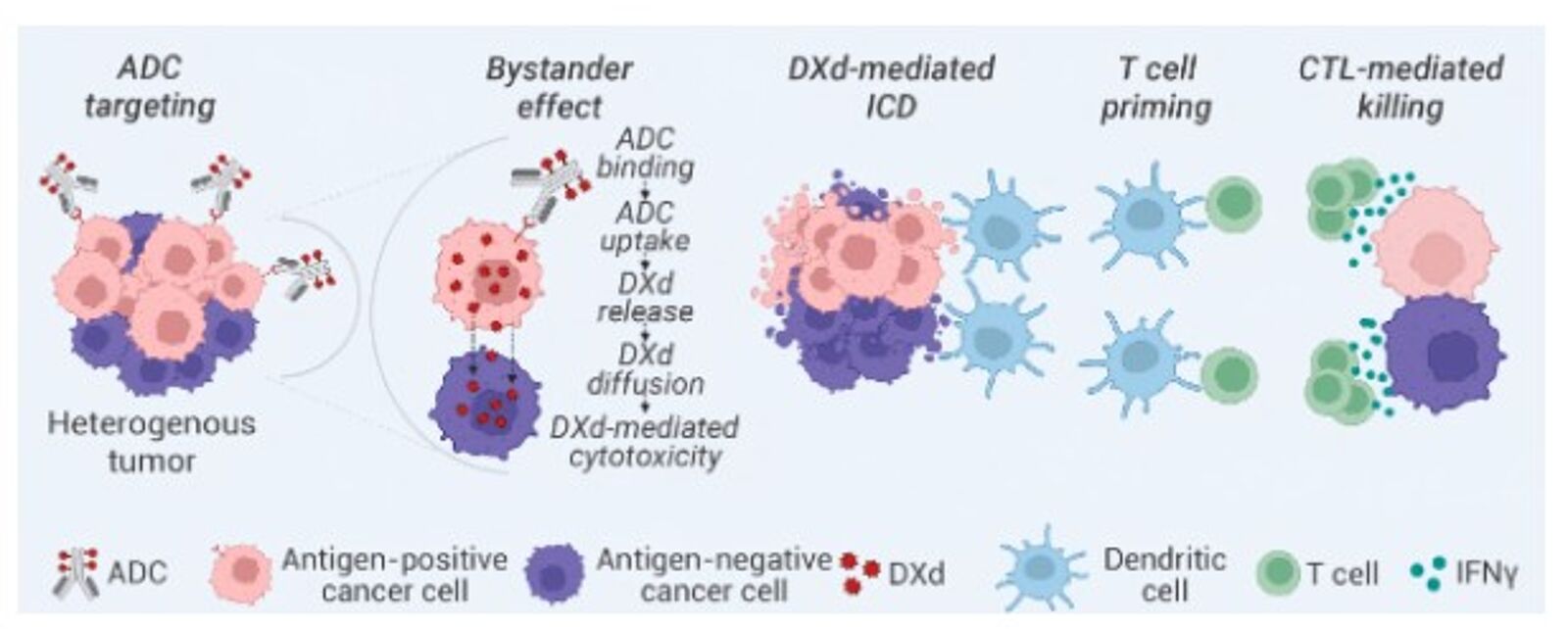
The bystander effect refers to the ability of a payload, once released from a target cell, to diffuse to neighboring antigen-low or antigen-negative cells and kill them. This effect is critical for overcoming tumor heterogeneity.
Payload membrane permeability is a major determinant of the bystander effect. Molecular dynamics simulations illustrate this relationship: the flip-flop transmembrane energy barrier for neutral DXd (DXd1) is approximately 20 kJ/mol, allowing membrane diffusion, whereas the barrier for a charged variant (DXd2) can reach approximately 80 kJ/mol, greatly limiting bystander activity. In 3D spheroid models, the difference becomes more apparent, with T-exatecan showing greater bystander penetration than T-DXd, followed by T-SN-38. MMAE also exhibits bystander activity, whereas MMAF, a charged auristatin derivative, shows little such effect.
The clinical relevance of this property is substantial. In HER2-low tumors or tumors with heterogeneous TROP2 expression, the bystander effect can help extend activity to antigen-low or antigen-negative clones and overcoming tumor heterogeneity.
TOP1i and Immunogenic Cell Death (ICD)
TOP1i stabilizes topoisomerase I–DNA cleavage complexes (TOP1cc), preventing the religation of DNA single-strand breaks and causing replication fork collisions and the accumulation of double-strand breaks. This process activates the p53 pathway and SLFN11-dependent cell death programs.
TOP1i-induced DNA damage can trigger immunogenic cell death (ICD), a form of cell death associated with the release or exposure of damage-associated molecular patterns (DAMPs), including calreticulin, HMGB1, and ATP. These DAMPs act as "danger signals", activating dendritic cells, promoting antigen cross-presentation, and enhancing tumor immunogenicity.
This provides a mechanistic rationale for combining ADCs with immune checkpoint inhibitors. Preclinical studies show that T-DXd combined with PD-1/PD-L1 inhibitors can produce synergistic antitumor effects, partly because TOP1i-induced cellular stress and ICD-related signaling can enhance the immune activation state within the tumor microenvironment.
Resistance to TOP1i and Payload Diversification Strategies
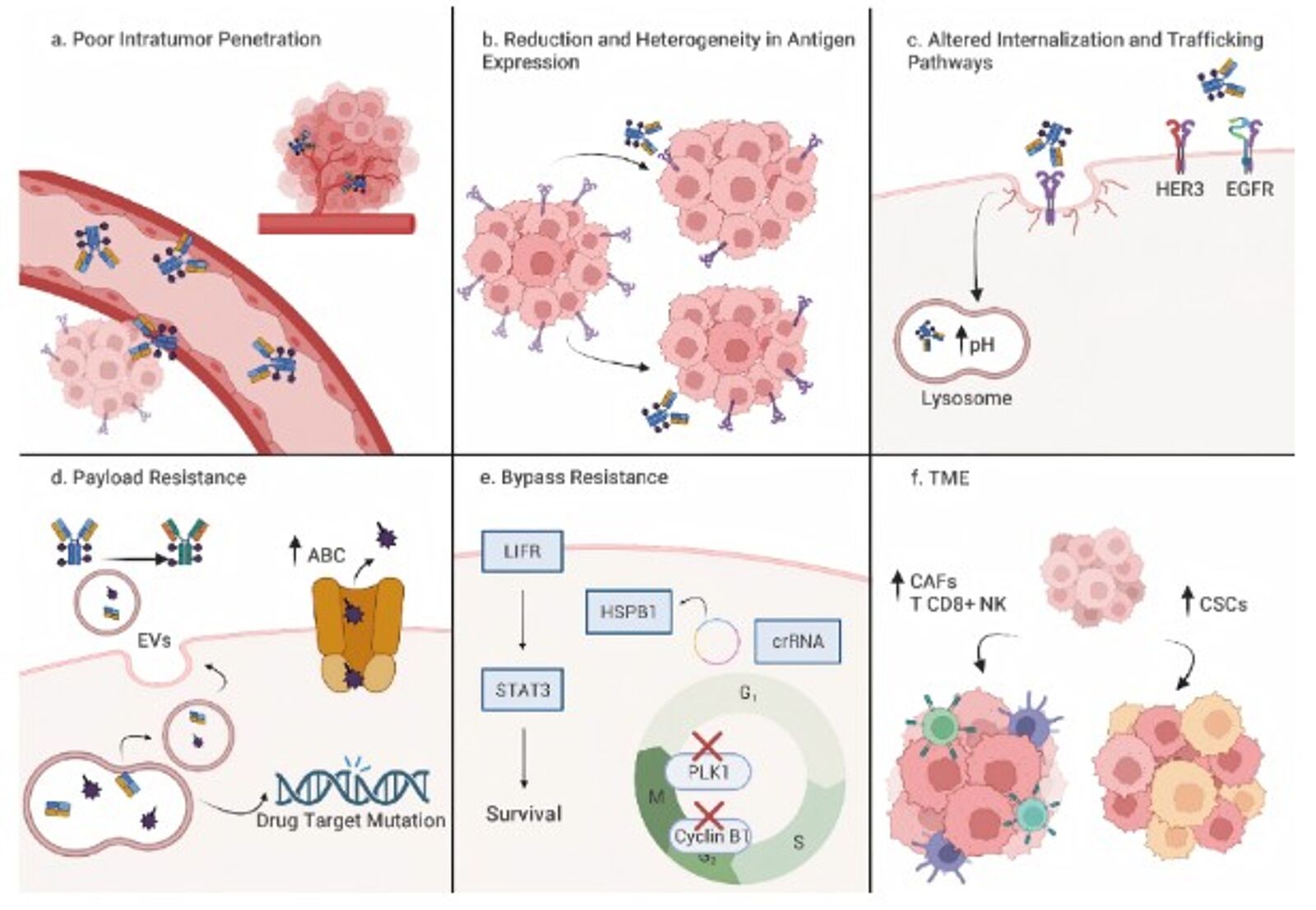
As TOP1i ADCs rapidly expand across multiple tumor types, repeated exposure to payloads with related mechanisms is revealing the possibility of diminishing efficacy and cross-resistance.
Retrospective clinical data suggest that sequential use of ADCs with the same payload mechanism may provide limited efficacy. In one analysis of patients with metastatic breast cancer, sequential treatment across different payload classes (microtubule inhibitor → TOP1i, or vice versa) was associated with a PFS2 of 6.8 months, whereas sequential use within the same payload class (MTi → MTi or TOP1i → TOP1i) was associated with a PFS2 of only 2.7 months.
These data suggest that differentiation may be needed even within the TOP1i class (DXd vs. SN-38 vs. exatecan), in addition to the development of cross-mechanism payload strategies. Resistance mechanisms can include target downregulation (e.g., reduced TROP2 expression), structural alterations in topoisomerase I that reduce drug-binding affinity, and upregulation of ABC transporters (e.g., P-gp/MDR1) leading to drug efflux.
Payload diversification is therefore not merely an optional addition; becoming an increasingly important strategy for addressing ADC resistance and sustaining clinical activity.
Engineering the Therapeutic Window Through Payload Design
Payload Physicochemical Properties and ADC Developability
ADC "developability" is a comprehensive concept covering feasibility across the full development chain, from molecular design to commercial manufacturing. Among these considerations, the physicochemical properties of the payload are among the most fundamental determinants.
Membrane Permeability vs. Hydrophilicity Balance
Highly membrane-permeable payloads (e.g., exatecan) can efficiently generate bystander effects but may also increase systemic exposure and off-target toxicity. Moderately hydrophilic payloads such as DXd may provide a more favorable balance between tumor penetration and systemic clearance. A 2025 review noted that incorporating hydrophilic groups, including PEG or sugars, into linkers can improve ADC solubility and pharmacokinetics without necessarily compromising payload activity.
Hydrophobicity-Driven Aggregation Risk
Hydrophobic payloads such as maytansinoids, auristatins, and camptothecin derivatives can be major contributors to ADC aggregation. High-DAR species (DAR 6–8) may be particularly prone to intermolecular interactions driven by exposed hydrophobic surface area. Aggregation can alter pharmacokinetics, reduce target-binding efficiency, complicate formulation, and potentially increase immunogenicity. Recent formulation analyses therefore identify aggregation control as a major challenge in ADC formulation.
Linker–Payload Stability
The GGFG tetrapeptide linker used in T-DXd remains stable in plasma and is efficiently cleaved by lysosomal cathepsin B to release the payload. However, traditional Val-Cit linkers suffer from species-specific stability issues — they are easily hydrolyzed by carboxylesterases in murine plasma, making preclinical PK data unreliable for predicting human behavior. The "exolinker" design reported in 2024 improves plasma stability and reduces aggregation tendency by introducing glutamate modifications at the external position of the PABC spacer. Sutro's β-glucuronide linker platform further improves tumor-selective cleavage efficiency.
DAR Uniformity
Random conjugation through lysines or partially reduced cysteines produces heterogeneous mixtures containing multiple DAR species. DAR 0 lacks payload activity, whereas high-DAR species may show increased aggregation and faster clearance, depending on the construct. Site-specific conjugation technologies — including ThioMab, GlycoConnect, AJICAP, and AbClick — attach payloads at predefined antibody sites and can produce more homogeneous DAR values, potentially improving PK predictability and batch consistency. DAR measurement can also vary with analytical and sample-preparation methods, emphasizing the need for standardized characterization.
Manufacturing Consistency
ADC manufacturing involves multiple steps: HPAPI (highly potent active pharmaceutical ingredient) synthesis, antibody production, conjugation reaction, purification, and formulation fill–finish. Payload occupational exposure limits are typically measured in ng/m³, requiring specialized containment facilities and closed-system processing equipment, which increase manufacturing complexity and cost. Continuous-flow reactor (CFIR) technologies are being explored to improve conjugation productivity by 64% and reduced costs by 70%, while maintaining clinically relevant DAR distributions.
Expanding the Payload Arsenal: Beyond Conventional Cytotoxins
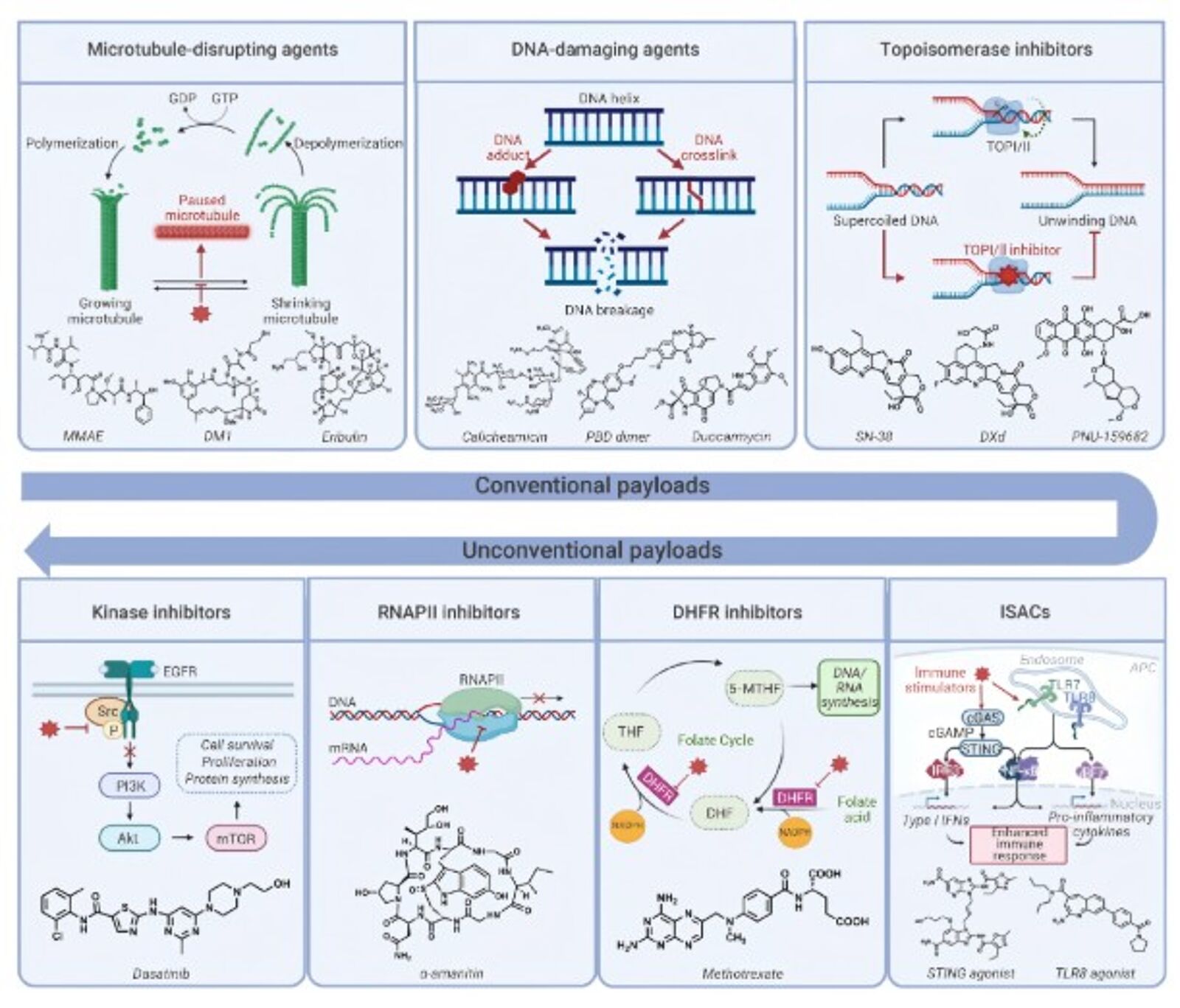
Conventional ADC payloads mainly fall into three categories: microtubule disruptors, DNA-damaging agents, and topoisomerase inhibitors.
Unconventional payloads further expand the ADC payload landscape, including kinase inhibitors (e.g., dasatinib, blocking Src-family oncogenic signaling cascades); RNA polymerase II inhibitors (e.g., α-amanitin, interfering with transcriptional elongation and inhibiting mRNA synthesis); dihydrofolate reductase (DHFR) inhibitors (e.g., methotrexate, disrupting folate metabolism and nucleotide synthesis); and immunostimulatory antibody conjugates (ISACs), which activate immune responses through TLR or STING agonists, enhancing cytokine production and antitumor immunity.
Immune-Stimulatory Payload (iADC): From "Killing Tumors" to "Activating Immunity"
Immunostimulatory ADCs (iADCs) use innate immune agonists (e.g., STING, TLR agonists) as payloads, aiming to transform ADCs from purely "cytotoxic delivery systems" into "tumor microenvironment remodeling platforms". Astellas/Sutro's TAK-500 (CCR2-STING ADC) entered a Phase II study, but was terminated because CCR2 is widely expressed on peripheral blood monocytes, memory T cells, dendritic cells, and macrophage subsets, which could trigger cytokine storms. This lesson highlights a core challenge in iADC design: the target selection for immune agonists must be strictly confined to the tumor microenvironment.
Dual-Payload iADC
Sutro's HER2 iADC combines exatecan (Topo1i, DAR = 8) with a STING agonist (DAR = 2) on a single antibody, demonstrating remarkable synergistic effects in the MC38-hHER2 model:
Table 2. In Vivo Antitumor Efficacy of STING Agonist ADC (SP13016) in Combination with Topoisomerase I Inhibitor.
| Treatment Group | % TGI (Day 27) | CR / Total | Notes |
|---|---|---|---|
| Vehicle | — | 0 / 8 | Control |
| Exatecan ADC (1 mg/kg) | 40% | 1 / 8 (13%) | Topo1i alone |
STING ADC (1 mg/kg) | 102% | 5 / 8 (63%) | Immune agonist alone |
| iADC (SP13016, 1 mg/kg) | 107% | 8 / 8 (100%) | Synergistic combo |
These data suggest that combining a cytotoxic payload with an immunostimulatory payload can produce more than additive activity in this preclinical model. Topo1i-induced DNA damage and ICD provide "danger signals" for STING activation, while STING signaling can enhance antigen presentation and T-cell responses, creating a potential positive feedback loop.
To reduce systemic immune activation, iADCs designs may incorporate several safety features, including reduced FcγR binding, non-cleavable linkers, low-DAR immune agonists (DAR = 2), and site-specific conjugation to optimize pharmacokinetics. Zymeworks' purine-based TLR7 agonist ISAC platform avoids the use of surrogate molecules through cross-species activity conservation, improving translational relevance.
RNA Polymerase II Inhibitor
α-amanitin derivatives (e.g., HDP-101, BCMA-targeted) for multiple myeloma do not rely on DNA damage mechanisms, offering a new option for resistant patients.
Kinase Inhibitors
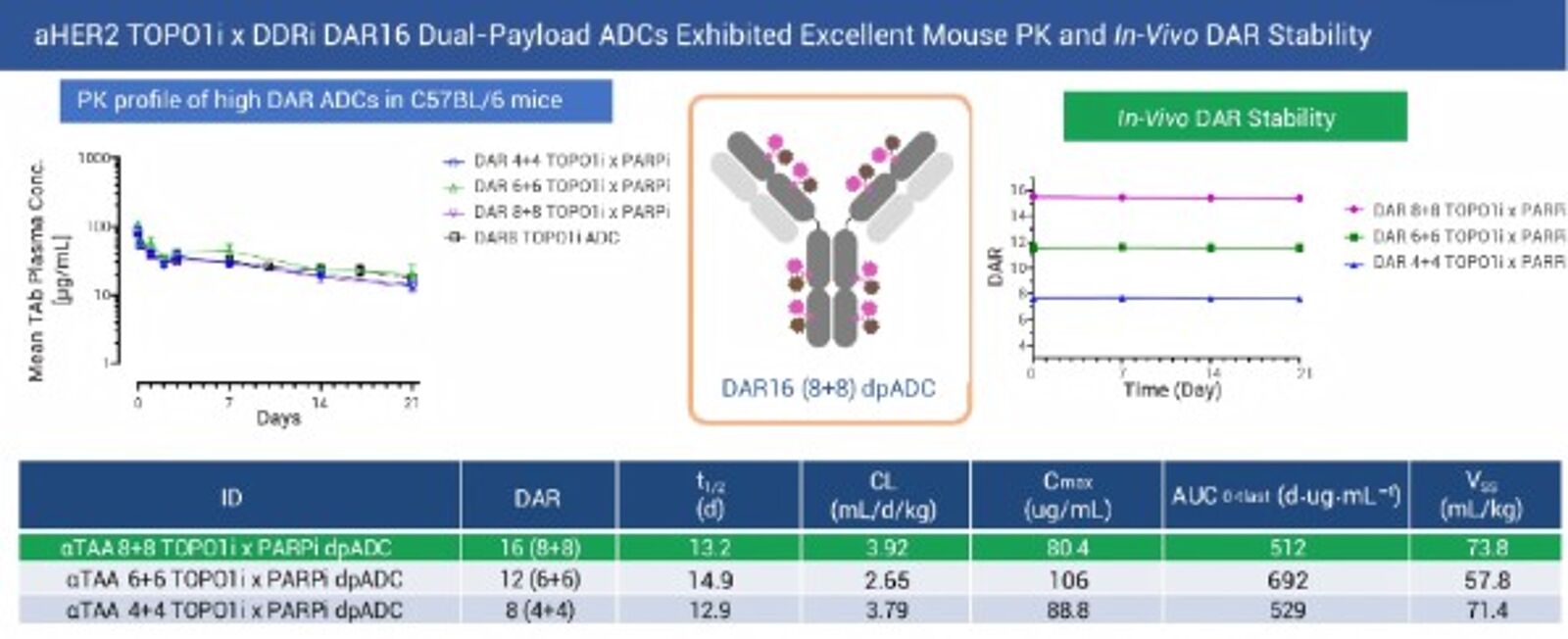
Sutro's Topo1i + DDRi dual-payload ADC leverages DNA damage response inhibition to synergistically enhance TOP1i activity, specifically designed to overcome Enhertu resistance.
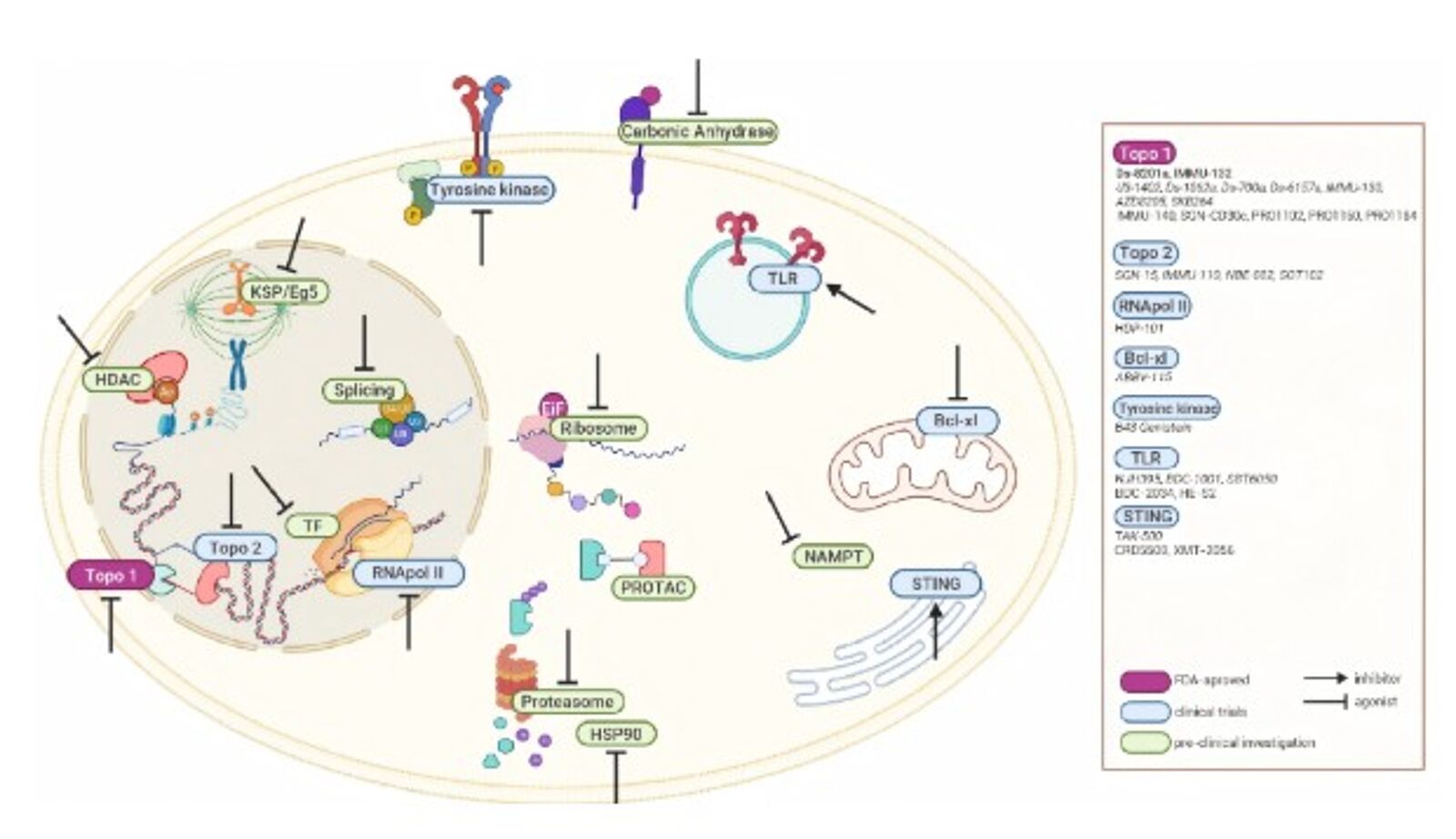
Bcl-xL Inhibitor Family
Bcl-2 family members can be pro-apoptotic (Bad, Bim, PUMA, Bik, Bak, Bax, etc.) or anti-apoptotic (Bcl-2, Bcl-xL, Bcl-w, Mcl-1, etc.). In cancer cells, the balance among these proteins often favors survival, making anti-apoptotic proteins attractive targets for ADC payload development. Mirzotamab clezutoclax (ABBV-155) uses a B7-H3-directed antibody to deliver the BCL-xL inhibitor clezutoclax and is designed to retain antitumor activity while reducing systemic platelet toxicity.
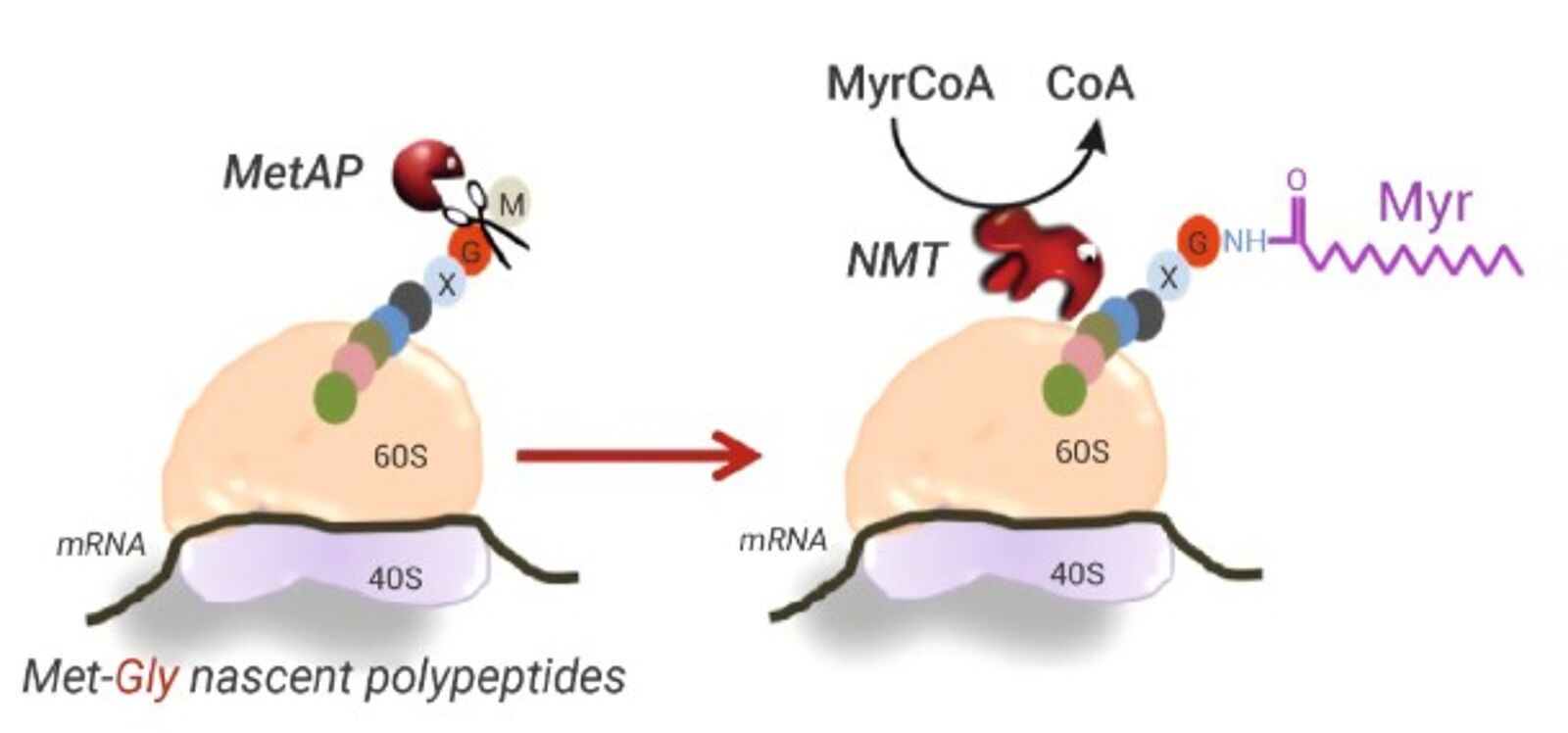
N-Myristoyltransferase (NMT) Inhibitors
N-Myristoyltransferase (NMT) inhibitors are an emerging payload class. NMT is an essential enzyme responsible for the covalent attachment of a 14-carbon saturated fatty acid (myristate) to the N-terminal glycine of substrate proteins. This modification is critical for the normal function of over 100 proteins involved in cancer cell signaling, survival, metabolism, vesicle trafficking, and mitochondrial biogenesis.
The differentiation value of NMTi as an ADC payload lies in:
(1) No direct DNA damage induction: Unlike TOP1i and microtubule inhibitors, NMTi does not directly damage DNA or interfere with microtubule dynamics, offering the potential to address selected resistance and hematologic toxicity.
(2) Potential synthetic-lethal window: MYC-dysregulated tumors appear particularly sensitive to NMT inhibition. Research by Lueg et al. in 2025 demonstrated that MYC-driven cancer cells can show synthetic lethality to NMTi, suggesting a potential biomarker for precise patient stratification.
(3) Potential to address resistance: Preclinical data show that NMTi ADCs can achieve complete tumor regression in multiple tumor models resistant to TOP1i and microtubule inhibitors.
Myricx Bio's two lead preclinical assets target B7-H3 and HER2, respectively, and are expected to enter clinical trials within 2026. If clinically validated, NMTi could become the fourth major ADC payload class after microtubule inhibitors, DNA-damaging agents, and TOP1i.
Summary
Overall, ADC differentiation is extending from target selection to payload design. As competition around popular targets intensifies, the mechanism of action, release characteristics, membrane permeability, linker adaptability, and developability of the payload are collectively shaping the therapeutic window and clinical translation potential of ADCs. The success of TOP1i payloads has demonstrated the design value of moderate cytotoxic potency, controlled release, and compatibility with relatively high DAR, while the emergence of novel payloads and dual-payload strategies is further expanding the mechanistic boundaries of ADCs. In the future, payload–linker designs that can balance efficacy, safety, manufacturing consistency, and resistance management will remain an important priority in next-generation ADC development.
Recommended ADC payload/linker payload products
| Product Name | Classification |
|---|---|
| MMAE | Microtubule inhibitor |
| MMAF | |
| DM1 (Mertansine) | |
| DM4 (Ravtansine) | |
| Eribulin | |
Calicheamicin | DNA damaging agent |
| SG3199 (PBD dimer) | |
| SG2057 (PBD dimer) | |
| SJG-136 (PBD) | |
| Duocarmycin SA | |
| SN-38 | TOP1 inhibitor |
| Exatecan Mesylate | |
| Dxd (Deruxtecan) | |
| Camptothecin (CPT) | |
| Topotecan hydrochloride | |
| 2'3'-c-di-AM(PS)2 (Rp,Rp) ammonium salt | STING agonist / ISAC |
| 2',3'-cGAMP-C2-PPA | |
| TLR7/8 agonist 4 | TLR agonist / ISAC |
| HE-S2 | |
| Methotrexate | DHFR inhibitor |
| Dasatinib | Kinase inhibitor |
| N-Deshydroxyethyl Dasatinib | |
| BCL-XL-IN-3 | Bcl-xL inhibitor |
*Note: MCE can provide products for research use only.
References
- [1]. Cheung A, et al. Physiol Rev. 2026 Jul 1;106(3):1681-1756.
- [2]. Lu N, et al. J Hematol Oncol. 2026 Apr 27;19(1):38.
- [3]. Pommier Y. J Mol Biol. 2026 Aug 15;438(16):169841.
- [4]. Goldenberg D M, et al. MAbs. 2019 Aug/Sep;11(6):987-995.
- [5]. Kepp O, et al. Oncoimmunology. 2025 Dec;14(1):2533488.
- [6]. Valle I, et al. NPJ Breast Cancer. 2025 Sep 29;11(1):102.
- [7]. Yuan R, et al. Abstract #4436. American Association for Cancer Research Annual Meeting, 2024.
- [8]. Conilh L, et al. J Hematol Oncol. 2023 Jan 17;16(1):3.
- [9]. Dian C, et al. Nat Commun. 2020 Feb 28;11(1):1132.
- [10]. Wu G, et al. Molecules. 2026 Apr 2;31(7):1180.
- [11]. Wang R, et al. J Hematol Oncol. 2025 Apr 30;18(1):51.
- [12]. Huang J, et al. Curr Oncol. 2026 Feb 5;33(2):103.
- [13]. Gebretnsae S. AAPS PharmSciTech. 2026 Jun 16;27(5):239.
- [14]. Torres-Dias L, et al. Pharmaceuticals (Basel). 2026 Feb 28;19(3):393.

MCE - MedChemExpress
MedChemExpress offers high quality small molecules, reference compounds, APIs & natural compounds and inhibitor libraries. Supreme quality and rigorous QC testing by HNMR, LC-MS and HPLC - stability testing. Most compounds are tested for activity.