
Oligodendrocytes are specialized glial cells that form myelin sheaths around neurons in the central nervous system (CNS). These insulating layers enable rapid and efficient transmission of electrical signals. A single oligodendrocyte can contact and myelinate up to 50 axonal segments.
Recent research highlights important advances in understanding how oligodendrocytes contribute to CNS regeneration and repair following injury or disease. Alongside in vivo studies, three-dimensional cell culture models have become valuable tools for investigating oligodendrocyte biology, myelination, and remyelination. The studies summarized below provide new insights into the cellular mechanisms involved in nervous system repair and the restoration of myelin after damage.
Tracking cell-based repair following spinal cord injury
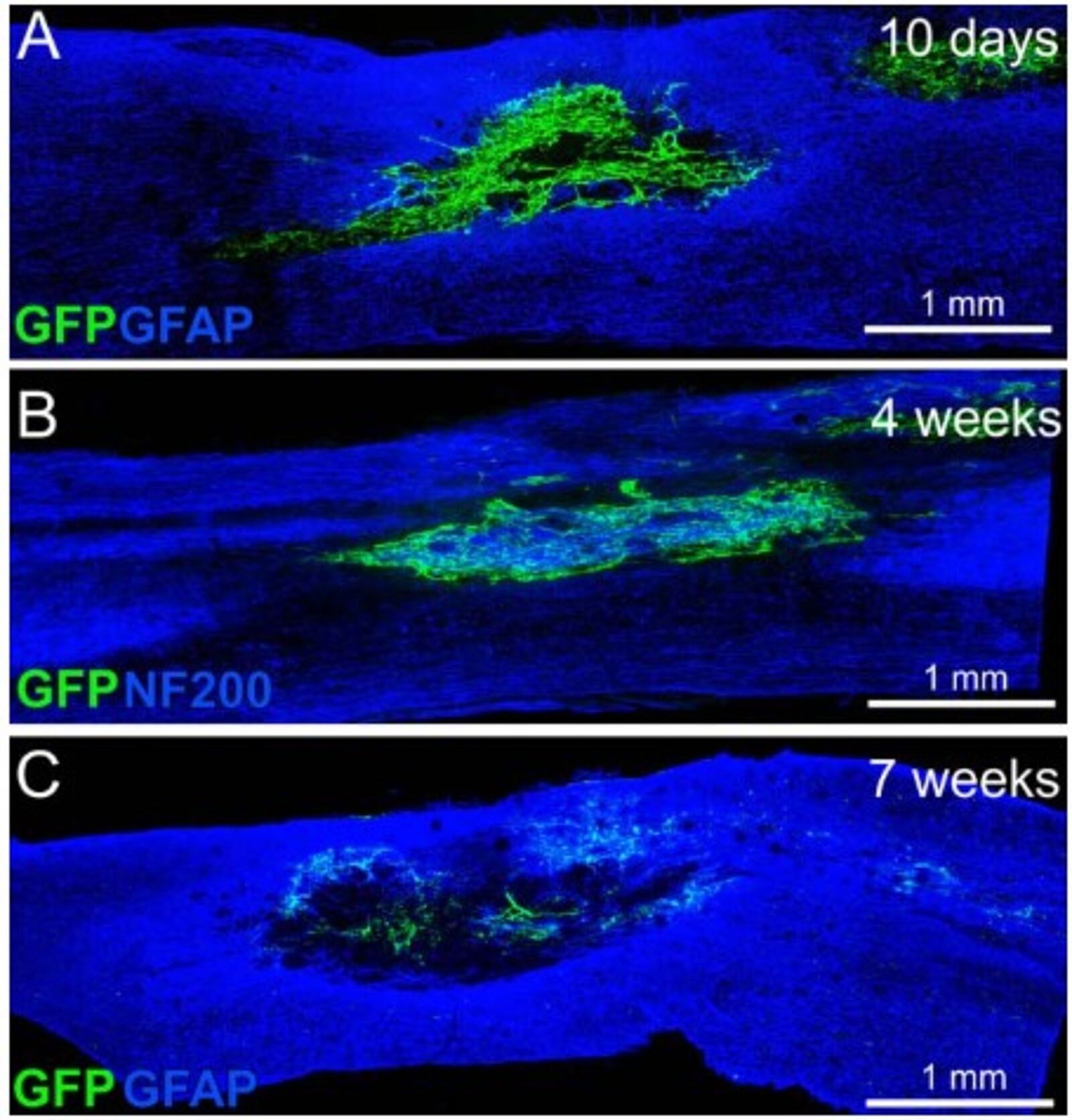
John Riddell, Sue Barnett, and colleagues at the University of Glasgow used GFP-expressing mesenchymal-like stromal cells derived from human olfactory mucosa (hOM-MSCs) to investigate spinal cord repair and remyelination in vivo. By labeling these cells with green fluorescent protein (GFP), the researchers were able to track their survival and distribution following transplantation.
Key findings included:
- GFP labeling efficiency exceeded 98% in all cell preparations.
- GFP-positive cells were transplanted into a rodent model of incomplete spinal cord injury, where they survived for several weeks after transplantation.
- Analysis of peripheral-type remyelination at the injury site, assessed through immunohistochemical staining for Peripheral Myelin Protein Zero (P0), revealed a broader distribution of remyelination in transplanted animals compared with controls.
- Enhanced remyelination was associated with earlier recovery of forelimb-hindlimb coordination during locomotion in transplanted animals.
Oligodendrocyte-mediated remyelination after demyelinating injury
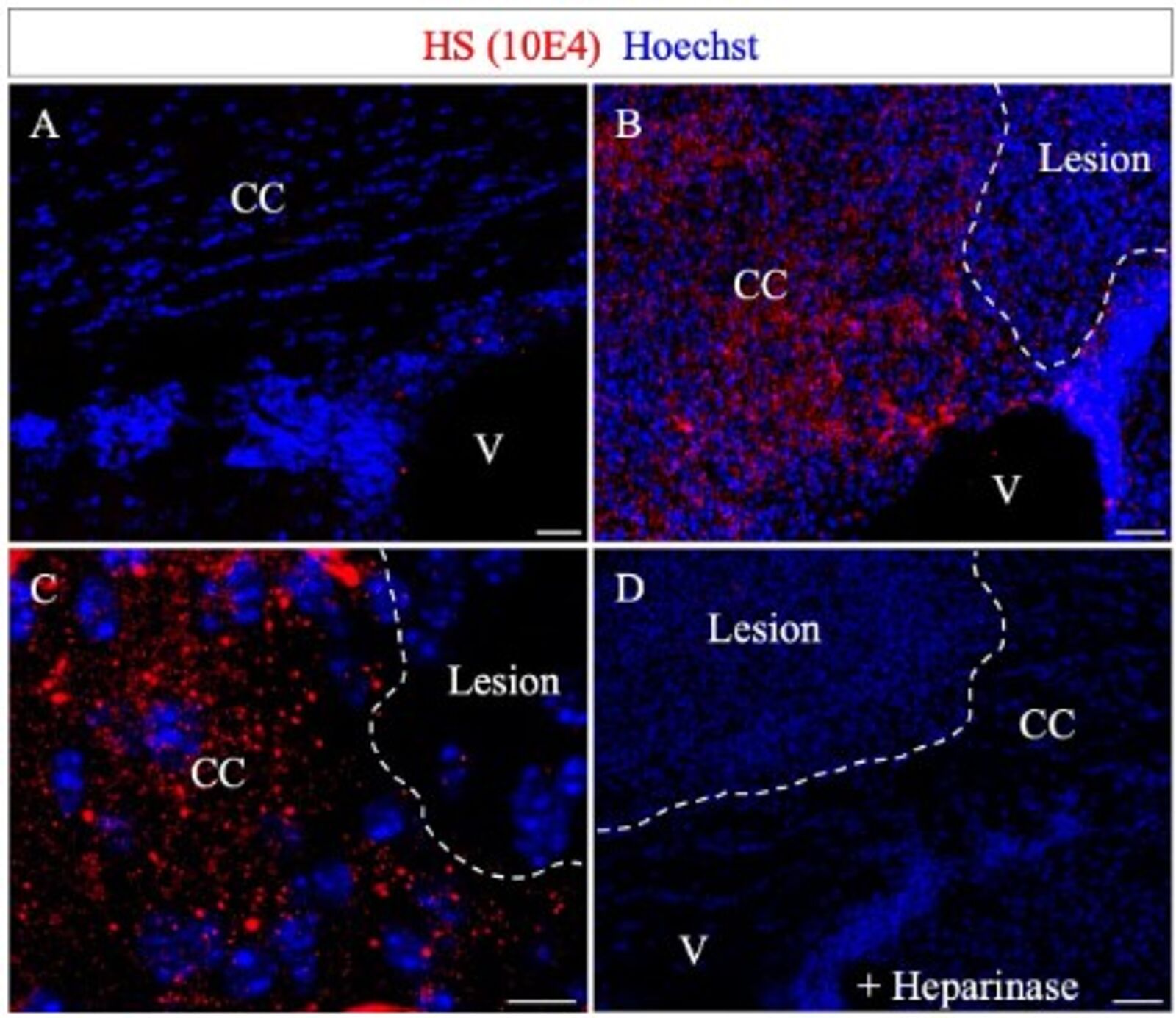
In a separate study, Pascale Durbec and colleagues investigated the role of heparan sulfate (HS) in the response to demyelinating lesions within the mouse corpus callosum. Using an antibody recognizing N-sulfated heparan sulfate domains, the researchers demonstrated the formation of HS-rich regions surrounding sites of demyelination.
Their findings showed that mature oligodendrocytes bordering the lesions contribute to the establishment of these specialized microenvironments, which:
- Distinguish damaged white matter from surrounding intact tissue.
- Support remyelination and regenerative processes within the injured area.
These results suggest that oligodendrocytes actively shape the extracellular environment after injury and play an important role in promoting CNS repair (Macchi et al., 2020).
Advancing Our Understanding of CNS Regeneration
Together, these studies demonstrate the diverse mechanisms through which oligodendrocytes and related cell populations contribute to CNS repair. From supporting remyelination after spinal cord injury to establishing regenerative microenvironments around demyelinated lesions, oligodendrocytes remain central to efforts aimed at restoring neural function following damage and disease.
Supplier

GenTarget
GenTarget is a specialist provider of viral vector technologies, with a comprehensive portfolio of lentiviral vectors, adenoviral vectors, reporter systems and custom gene delivery services. The company helps researchers simplify gene expression, gene silencing, genome editing and cell engineering workflows across basic research and translational applications.